We are located in
Saudi Arabia, Bahrain & Egypt


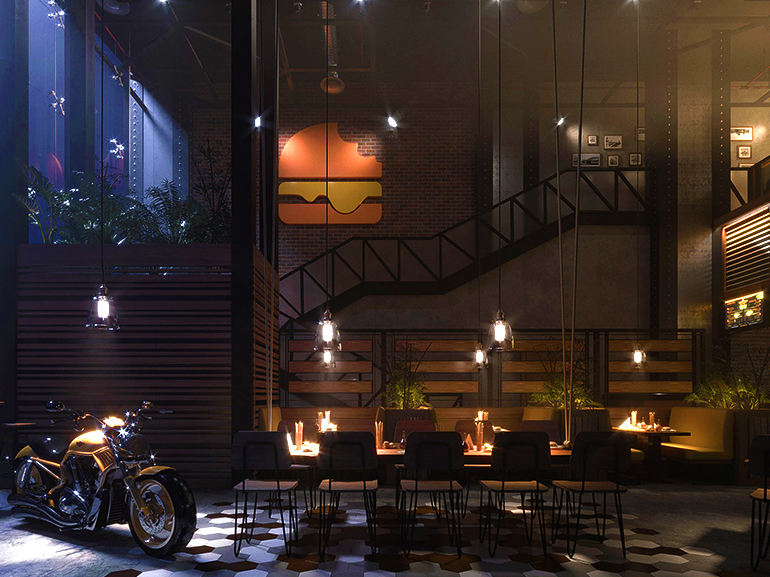
Hiring a professional restaurant interior designer can significantly enhance the design process, as each restaurant’s unique requirements and constraints may necessitate a tailored approach.
Firstly, Understand the client’s vision: Begin by having detailed discussions with the client to understand their goals, brand identity, target audience, and any specific requirements they may have for the restaurant’s interior design.
Secondly, Conduct research: Research the restaurant’s concept, cuisine, and target market to gain insights into the design elements that would best suit the establishment. Look for inspiration from other successful restaurants, trends in the industry, and cultural influences.
Thirdly, Develop a concept: Based on the client’s vision and research, create a design concept that captures the desired ambiance, theme, and overall atmosphere of the restaurant. Consider factors such as layout, color scheme, lighting, furniture, materials, and decor.
Fourthly, Space planning: Analyze the available space and create a functional layout that optimizes the flow of customers and staff. Consider factors such as seating capacity, kitchen placement, bar area, restrooms, and accessibility.
Fifthly, Select materials and finishes: Choose appropriate materials, finishes, and textures that align with the design concept and meet the restaurant’s requirements in terms of durability, maintenance, and aesthetics. This includes flooring, wall coverings, countertops, and furniture.
Sixthly, Lighting design: Develop a lighting plan that enhances the mood and ambiance of different areas within the restaurant. Consider a combination of natural and artificial lighting to create the desired atmosphere and highlight key features.
Seventhly, Furniture and decor selection: Choose furniture pieces that are comfortable, functional, and align with the design concept. Select decor elements such as artwork, plants, signage, and accessories that enhance the overall aesthetic appeal.
Eighthly, Collaboration and coordination: Work closely with architects, contractors, and other professionals involved in the construction or renovation process to ensure the design is implemented accurately and efficiently.
Ninthly, Test and refine: Once the interior design is implemented, evaluate the space and make any necessary adjustments to optimize functionality, comfort, and aesthetics.
It’s important to note that each restaurant is unique, and the design process may vary based on specific requirements and constraints. Hiring a professional restaurant interior designer can greatly assist in creating a cohesive and successful design.
Leave A Comment